
Have you ever stepped into a garden so beautiful and hidden it felt like a secret the world had kept just for you? That feeling, of quiet, of greenery, of complete escape, is exactly what magical hidden garden designs are made of. And the good news is, you do not need a grand estate or a large outdoor space to create that feeling for yourself. I’ve noticed that some of the most breathtaking garden spaces are surprisingly small, but thoughtfully designed, layered with texture, fragrance, and natural beauty in a way that makes every corner feel intentional and deeply alive. Whether you have a spacious backyard or a compact urban garden, the 23 ideas in this article will show you exactly how to transform your outdoor space into the dreamy, secluded escape you have always imagined.
Mossy Stone Pathways

- Adds instant old-world charm and deep natural texture to any garden space
- Creates a visual journey that draws visitors deeper into the garden
- Moss softens hard stone edges, making the space feel lived-in and organic
- Works beautifully even in narrow garden corridors or compact layouts
- Low-maintenance once established, moss thrives naturally in shaded, damp conditions
A mossy stone pathway does something no other garden feature can: it makes your garden feel ancient, alive, and full of quiet stories. The texture of soft green moss against rough grey stone creates a contrast that is instantly beautiful and deeply calming. I’ve noticed that even a short winding path feels twice as interesting when it curves just slightly out of sight. That small design trick builds anticipation. You stop rushing. You start noticing. This simple element transforms even a basic backyard into something that feels like it belongs in magical hidden garden designs.
Discover magical outdoor transformations in 22 Secret Garden Ideas for a Magical Escape to create your dream relaxing space.
The visual result is hard to describe but easy to feel. Mossy pathways carry a sense of timelessness that polished tile or concrete simply cannot replicate. In my experience, homeowners who add this feature almost always say the same thing: they spend more time in their garden because it feels like a place worth lingering in. You do not need a large space to make this work. Even a two-metre winding path leading to a bench or a small plant cluster can create that enchanting, secluded atmosphere most people associate with storybook or cottage garden retreats.
Overgrown Archway Entrance
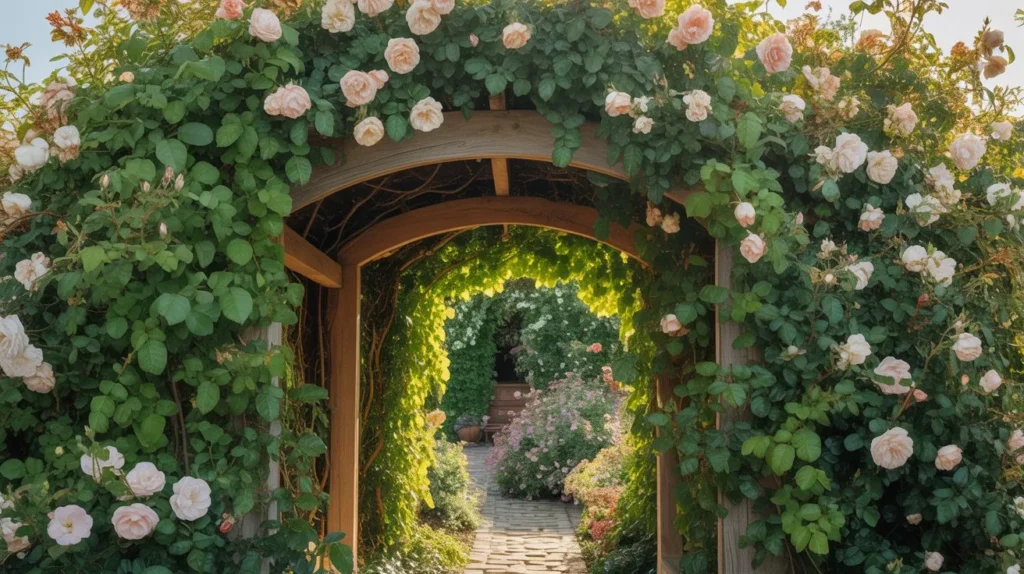
- Creates an immediate wow moment and frames the garden entrance dramatically
- Signals “something special is beyond here”, a classic secret garden cue
- Works with roses, wisteria, jasmine, or any climbing plant variety
- Adds vertical structure and height to a flat or open garden layout
- Can be installed affordably and grows more beautiful with every passing season
Few garden features stop people in their tracks quite like a fully overgrown archway entrance. There is something deeply romantic about walking beneath a canopy of climbing flowers and foliage; it feels like stepping into a completely different world. The arch acts as a visual divider, separating the everyday from the extraordinary. Even a basic timber arch can become breathtaking once roses or wisteria begin to climb it. I’ve seen this work in both large country gardens and small urban backyards, and the effect is almost always the same: pure, unmistakable charm that people immediately want to photograph.
Explore more smart home inspiration in our Outdoor Ideas and Bedroom Ideas to complete your space transformation journey.
The best part of this design idea is how it changes throughout the seasons. In spring and summer, the arch bursts with colour and fragrance. By autumn, the climbing foliage turns golden and amber, creating an equally stunning look. Choosing fast-growing climbers like clematis or honeysuckle means your arch will look established within just one or two growing seasons. Position it at the entry point of your garden, or use it to create a transition between two distinct garden zones. Either way, it adds that feeling of mystery and layered beauty that defines a truly enchanting outdoor space.
Secret Bench Nook
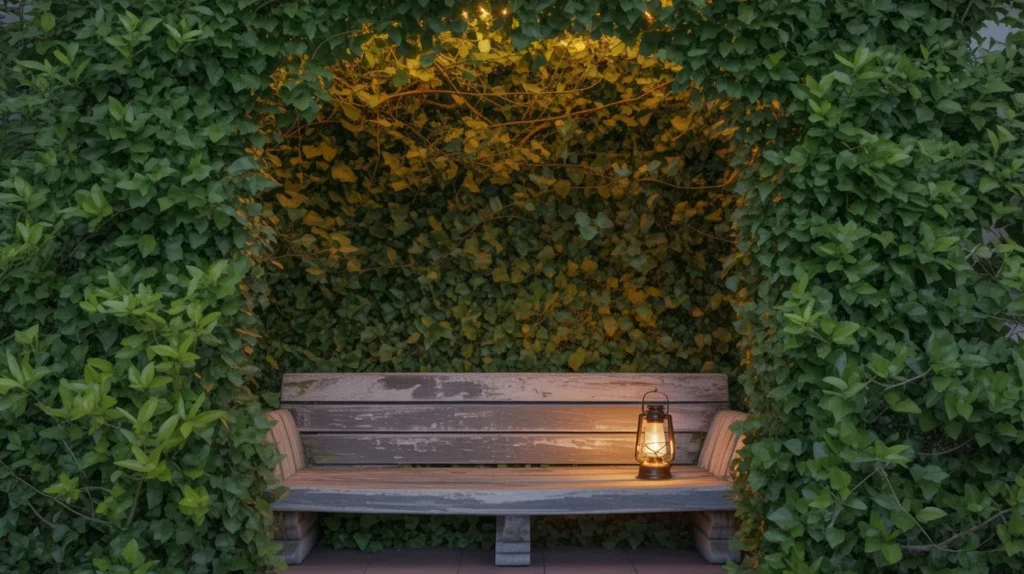
- Turns an underused garden corner into a private sanctuary for reading or quiet reflection
- The curved hedge surround creates a natural “room within a room” feeling
- A simple bench becomes a destination when it is partially hidden and framed by plants
- Adds clear visual depth and layering to your overall garden design
- Perfect for small gardens, even a 2×2 metre corner can hold a cosy, meaningful nook
Every garden deserves at least one spot that feels completely private, a place where you can sit, breathe, and forget the world outside. A secret bench nook does exactly that. Tuck a simple wooden or stone bench into a curved gap in your hedge, surround it with tall ornamental grasses or dense shrubs, and suddenly you have a tucked-away retreat that feels miles from everyday life. The sense of enclosure is what makes it work. When you cannot see the whole space at once, curiosity builds naturally, and the simple act of sitting there feels surprisingly meaningful and restorative.
What makes a bench nook truly special is the small details you add around it. A vintage lantern, a terracotta pot filled with herbs, and a soft outdoor cushion in a muted earthy tone; each element adds warmth without clutter. That’s why many designers recommend keeping the palette simple and natural in these kinds of spaces. Let the plants do the decorating. The goal is not a busy display but a calm, soft, breathable corner that feels intentional and personal. Once you create it, you will find yourself returning to it every single day, morning coffee in hand.
Wildflower Meadow Corner

- Transforms an empty corner into a riot of seasonal colour with minimal planning effort
- Attracts pollinators, making the garden feel alive, buzzing, and ecologically connected
- Wildflower patches look intentionally natural, not neglected or messy
- Requires almost no maintenance once established, as nature does the work for you
- Even a small 1×2 metre patch creates a stunning visual anchor in any garden
Not every beautiful garden is perfectly manicured; in fact, some of the most breathtaking spaces are intentionally wild. A wildflower corner brings that untamed, romantic energy to any outdoor area without requiring much effort or planning. Choose a sunny spot, loosen the soil, scatter a mixed wildflower seed blend, and simply wait. Within weeks, something remarkable begins to happen. Greens push through the soil, then colour follows in waves, yellows, purples, whites, and deep reds. The result looks effortlessly beautiful and entirely natural, like a little pocket of the countryside has quietly appeared in your own backyard.
Want your home to look just as inviting outside? These landscaping ideas create an immediate visual impact.
Beyond its beauty, a wildflower patch creates a small living ecosystem in your garden. Bees, butterflies, and hoverflies will visit regularly, adding gentle movement and soft sound that no other garden feature can replicate. I’ve noticed that gardens with even a small wildflower area feel more alive, more connected to the natural world, than gardens that are purely structured. You do not need a large meadow to feel this effect. A modest corner patch, positioned where it catches the afternoon sun, is enough to completely shift the atmosphere of your entire outdoor space every single season.
Ivy-Covered Garden Wall
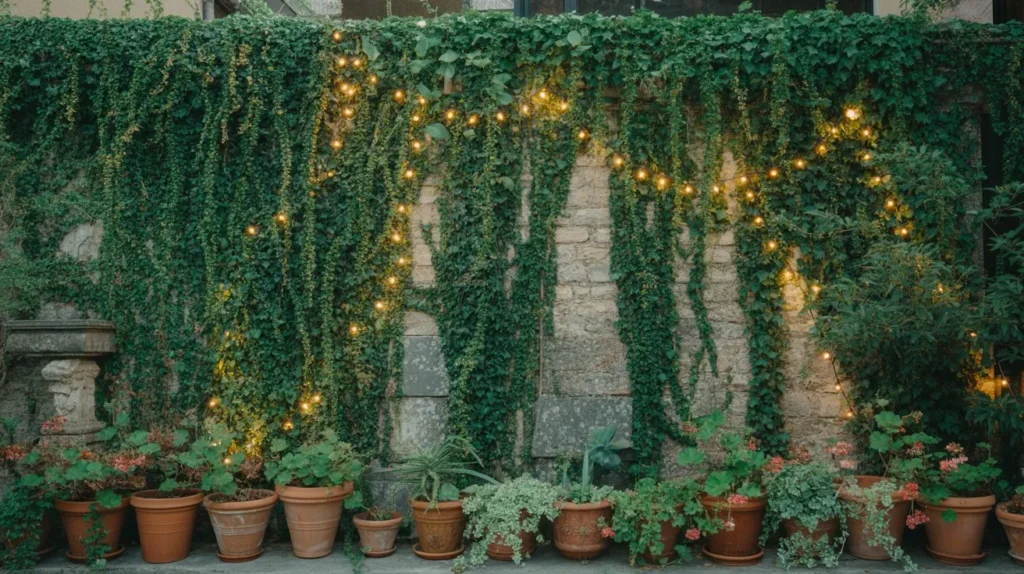
- Instantly softens hard architectural lines and makes walls feel alive and organic
- Ivy grows fast and spreads naturally, with minimal intervention needed after initial planting
- Pairs beautifully with fairy lights for a warm, atmospheric evening garden look
- Creates a natural green backdrop that makes every plant placed in front of it pop
- Adds a layer of natural insulation and visual softness to bare, exposed walls
A bare garden wall can feel like a missed opportunity, cold, flat, and visually empty. But the moment Ivy begins to climb and spread across that surface, everything changes. The wall becomes a living backdrop, textured and layered, shifting subtly with every breeze. Ivy-covered walls have a timeless quality that works just as well in a contemporary garden as it does in a traditional cottage setting. The contrast between rough, aged stone and soft, lush green foliage is one of the most naturally beautiful pairings in garden design, and it requires almost no effort to achieve.
To make the look even more stunning, weave a strand of warm white fairy lights through the ivy before the growing season begins. By evening, when the lights glow softly through the foliage, the effect is nothing short of magical. Add a few terracotta pots along the base of the wall, filled with trailing herbs or compact flowering plants, and you have created a layered, textured garden scene that photographs beautifully and feels endlessly welcoming. This is one of those ideas where the result far outweighs the effort, a genuine transformation with remarkably little investment of time or money.
Tucked Firepit Retreat
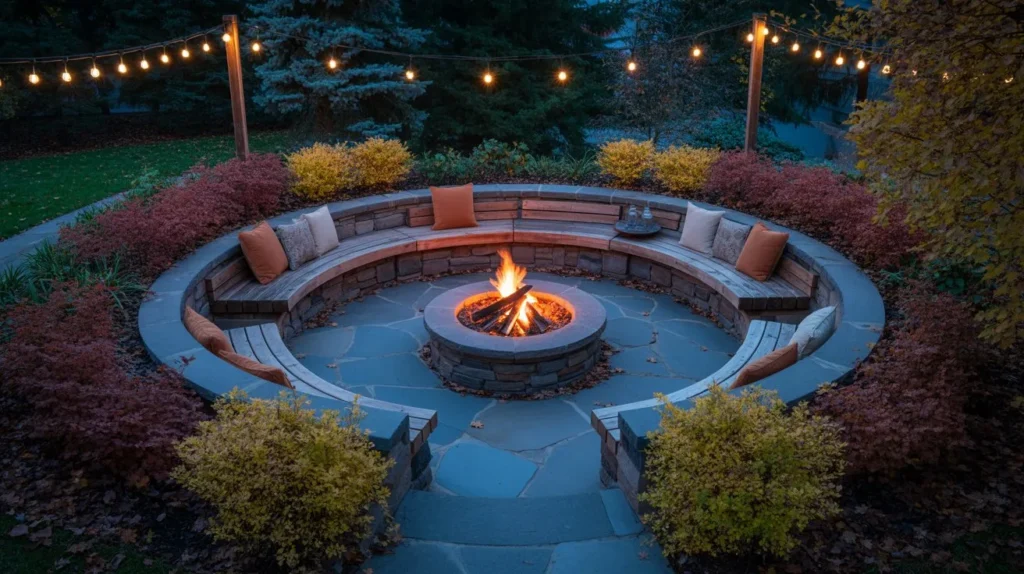
- Creates a year-round gathering space that draws people in even on cooler evenings
- Sunken or surrounded pit areas create a natural sense of shelter and enclosure
- Firelight adds a warm, flickering ambience that completely transforms the evening garden atmosphere
- Curved stone or log seating makes the space feel organic and effortlessly relaxed
- A simple fire pit surrounded by tall grasses or shrubs feels far more private and intimate
There is something deeply primal and comforting about a fire outdoors; it pulls people together in a way that no other garden feature does. A well-placed firepit retreat, tucked behind tall grasses or surrounded by low hedging, becomes the heart of your entire outdoor space. It is not just about warmth or light, though both are wonderful. It is about the feeling of being gathered, sheltered, and just slightly hidden from the rest of the world. That combination, fire, enclosure, and natural surroundings, creates an atmosphere that people talk about long after the evening is over.
To build this effect, you do not need a complex or expensive setup. A simple sunken stone circle, a few curved wooden benches, and a ring of ornamental grasses or compact shrubs around the perimeter are all you need. Hang a string of warm bulb lights overhead to add a canopy effect, and suddenly the space feels like a private outdoor room. That’s why many designers recommend firepits as one of the highest-impact investments in a garden redesign; the return on atmosphere is extraordinary. Add a woven blanket basket nearby, and it will be in use every evening.
Canopy of Climbing Roses
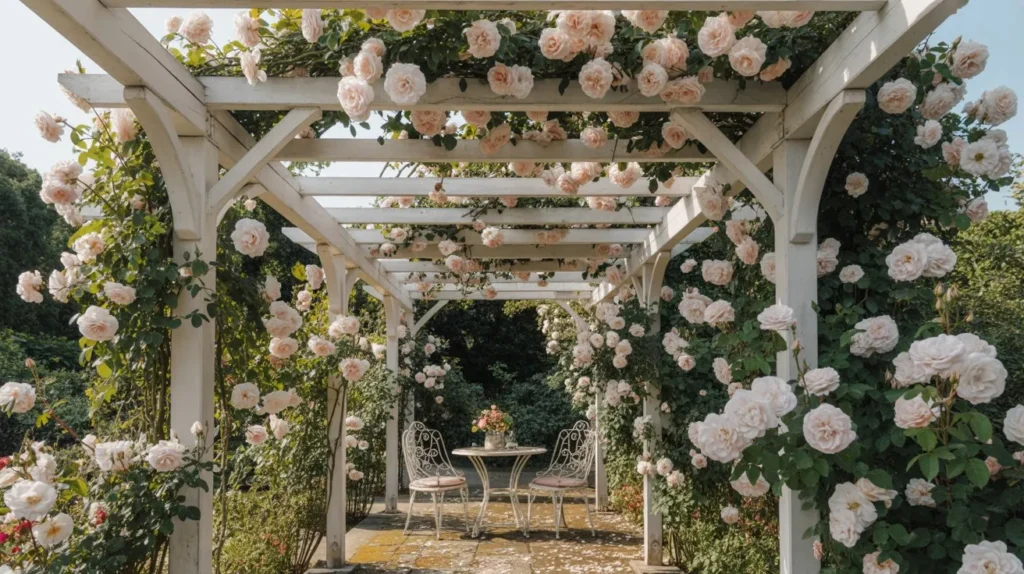
- Creates a dramatic overhead floral ceiling that feels like something from a fairytale
- Blush, white, and deep red rose varieties each create a completely different atmosphere
- Provides light, dappled shade during warm summer months beneath the structure
- The fragrance alone makes this one of the most sensory garden features you can create
- A rose-draped pergola looks stunning across every season, from early bud to full bloom
If you have ever stood beneath a canopy of fully bloomed climbing roses, you will understand why this remains one of the most beloved features in enchanted garden designs. The dense overhead flowers create a ceiling of pure colour, petals so close you can almost touch them, while the perfume wraps around you in soft, warm waves. It feels entirely removed from everyday reality. A wooden pergola with climbing roses trained over it is one of the most achievable yet visually spectacular garden transformations available, and it improves dramatically each year as the plants mature and fill in.
Choosing the right rose variety makes all the difference here. Ramblers like ‘Kiftsgate’ or ‘Wedding Day’ cover large structures quickly and cascade beautifully. Climbers like ‘New Dawn’ or ‘Compassion’ offer repeat blooming and a stronger fragrance, making them ideal for a pergola you plan to spend time beneath. Either way, once established, a rose canopy requires minimal care beyond annual pruning and a layer of mulch at the base each spring. I’ve tried several varieties over the years, and the ones that bloom more than once per season consistently create a more magical and sustained visual impact throughout summer.
Sunken Garden Room
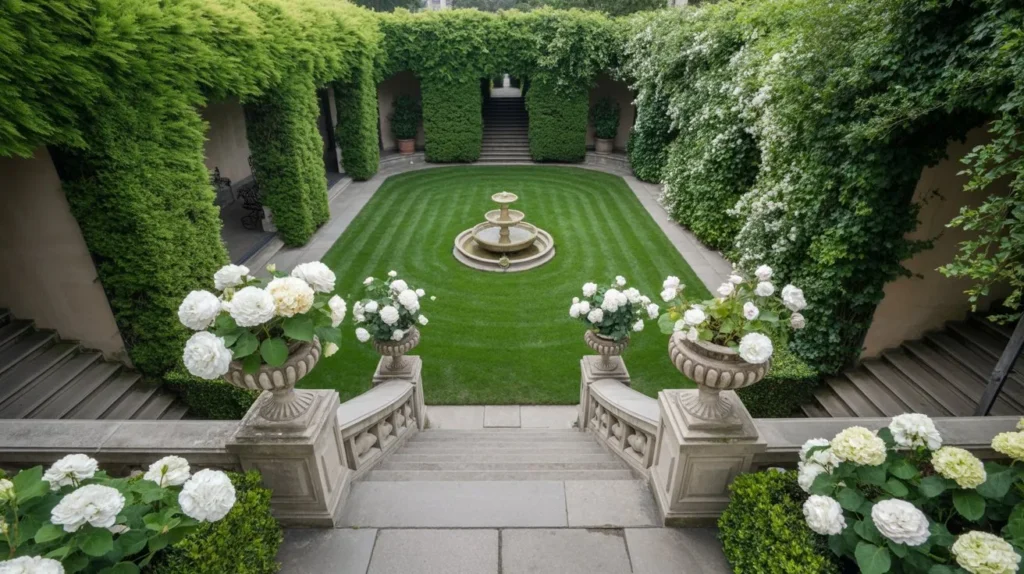
- Sunken spaces create an immediate sense of privacy and enclosure without any walls or fencing
- The step-down entry adds drama and a clear sense of arrival to the garden space
- A central feature, like a fountain or sculpted planting, becomes twice as impactful when surrounded by raised hedging
- Works beautifully for both formal and relaxed garden styles, depending on planting choices
- Even a shallow 30–40cm drop is enough to create that sheltered, room-like feeling
Stepping down into a sunken garden feels like entering a completely separate world, quieter, stiller, and entirely your own. The surrounding raised walls or hedges block out noise and visual clutter, making the space feel far more private than its actual size suggests. This is a design idea that has been used in grand estate gardens for centuries, but it translates surprisingly well into modern residential spaces. Even a gently lowered section of your garden, defined by a simple stone border or a single step down, begins to create that beautifully enclosed atmosphere that most people associate with secret or hidden garden spaces.
The magic of a sunken garden lies in how it frames everything inside it. Plants, furniture, and features all look more intentional and curated when they sit within a defined, lowered space. A central water feature, even a small stone bowl with a gentle trickle, adds sound and movement that feels amplified within the enclosure. I’ve noticed that gardens with a sunken element almost always become the most-used part of the outdoor space, because people instinctively gravitate toward places that feel sheltered and slightly apart from the everyday. Add climbing plants to the inner hedge walls, and the effect becomes truly extraordinary.
Lantern-Lit Garden Trail
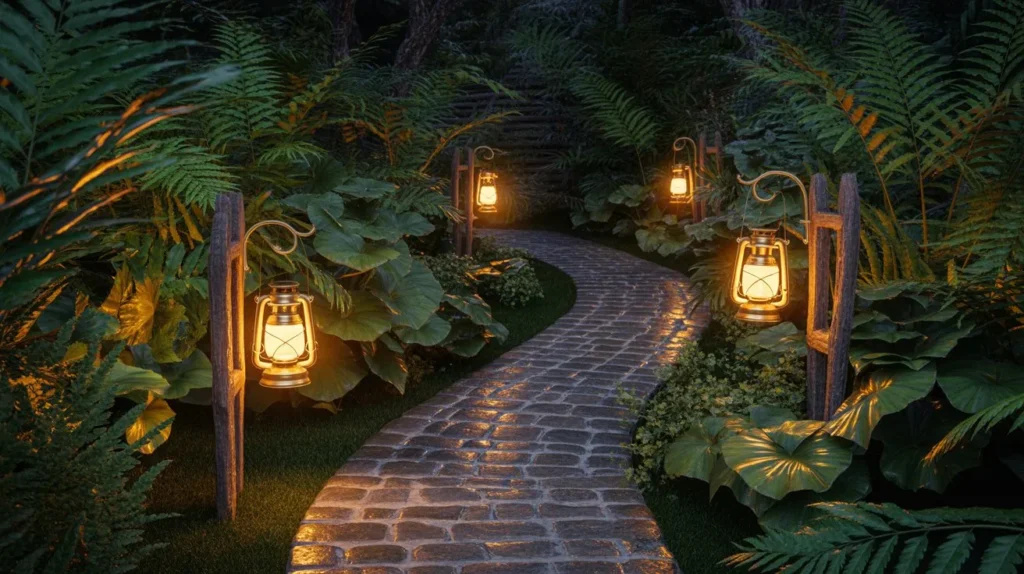
- Transforms an ordinary garden path into a magical evening experience with minimal investment
- Vintage-style lanterns add warmth, personality, and visual rhythm to any path length
- Solar-powered lantern options make this idea cost-free to run after initial setup
- Creates a dramatic shift in atmosphere from day to night in the same garden space
- Works equally well with pillar candles, hurricane lanterns, or modern LED alternatives
Garden lighting is one of the most underestimated design tools available, and lantern-lined pathways are among the most impactful ways to use it. During the day, a row of vintage lanterns on low wooden stakes adds charm and structure to a garden trail. At dusk, when the warm amber light begins to glow against the surrounding greenery, the transformation is remarkable. The path becomes a journey. Each lantern creates a small pool of golden light, leading the eye and the feet gently forward through the garden. That’s why many garden designers recommend path lighting as the single most effective evening upgrade for any outdoor space.
The beauty of this idea is its flexibility. You can choose large statement lanterns spaced widely apart for a bold, dramatic look, or smaller lanterns placed closely together for a softer and more intimate trail effect. Mixing heights adds visual interest, some on stakes, some resting directly on the ground or balanced on flat stones. Solar-powered models have improved enormously in recent years, offering warm, steady light without any wiring or running costs. I’ve seen this simple idea completely transform an unremarkable side path into a breathtaking feature that guests notice and talk about before they have even reached the front door.
Fern Grotto Corner
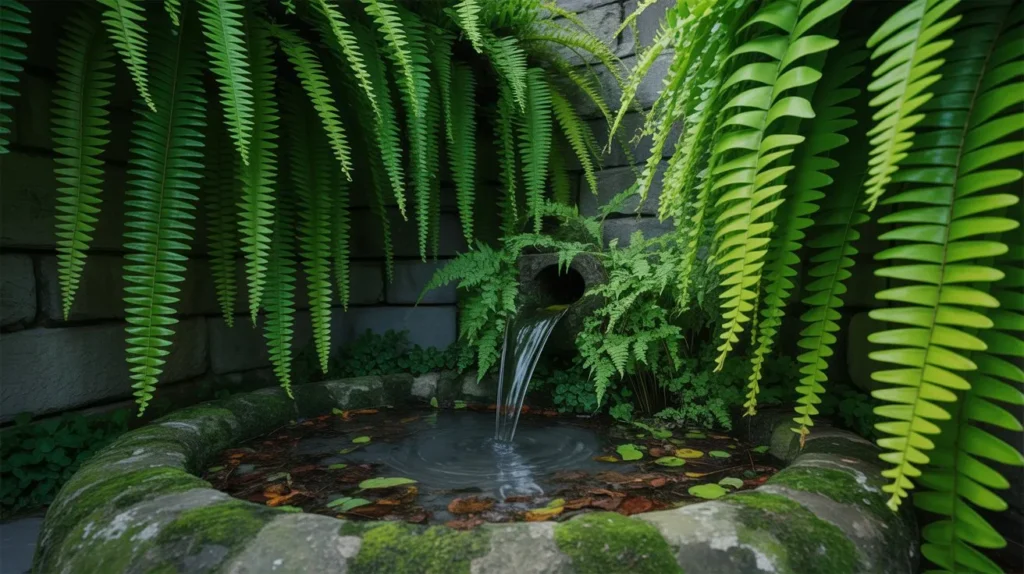
- Ferns thrive in shaded spots where most garden plants struggle, making this ideal for dark corners
- The layered, cascading texture of ferns creates a lush, full look that needs no colour to impress
- A small embedded water feature amplifies the cool, woodland atmosphere immediately
- Works year-round, as most fern varieties remain green and full through all seasons
- Requires very little maintenance once established, a perfect low-effort, high-impact idea
Shady garden corners are often seen as a problem to solve rather than an opportunity to embrace. A fern grotto reframes that entirely. Instead of fighting the shade, you lean into it, and the result is one of the most atmospherically rich spaces a garden can offer. Dense, layered ferns in deep emerald and soft lime create a texture so lush and full that the corner immediately feels like a discovered woodland hollow rather than an overlooked patch of garden. The coolness of the space, even on warm days, makes it feel genuinely refreshing and separate from the rest of the outdoor area.
Adding a small water feature, even a simple trickle over a mossy stone, elevates the grotto effect dramatically. The sound of trickling water in a cool, enclosed fern space creates a sensory experience that feels far removed from everyday life. In my experience, this type of corner planting is one of the most surprisingly powerful in any garden because it asks so little of you. Plant the ferns, add some aged stone or a small carved basin, and nature handles the rest. Within a single growing season, the corner transforms into something that looks genuinely ancient, deeply lush, and completely intentional.
Weathered Garden Gate
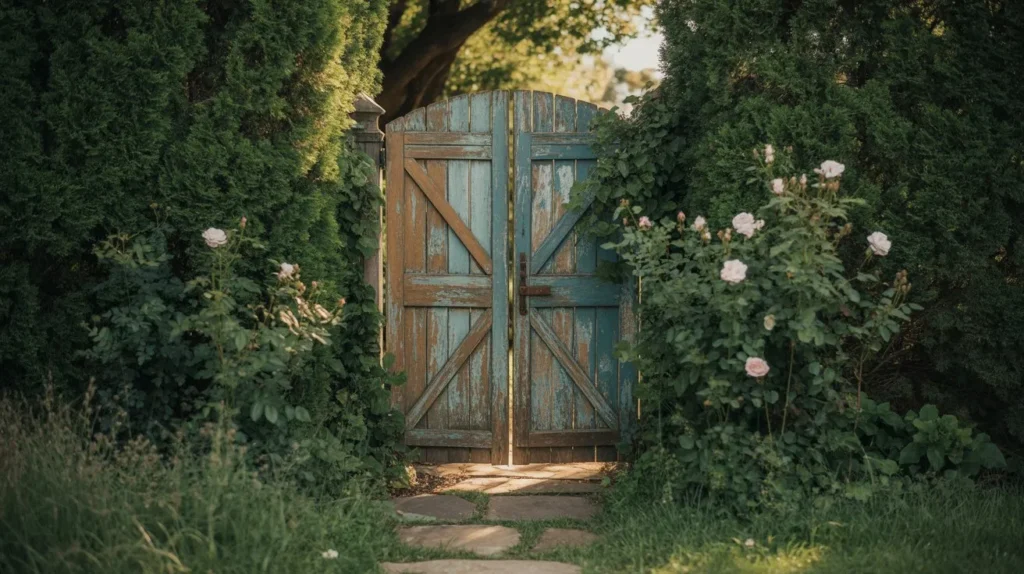
- A weathered gate creates the ultimate “secret garden” visual cue; something beautiful lies beyond
- Peeling paint and worn wood add character and charm that a brand-new gate simply cannot replicate
- Works as a pure decorative element, even if it leads nowhere, the suggestion of mystery is enough
- Climbing plants framing the gate amplify the hidden, overgrown aesthetic beautifully
- Simple to achieve by distressing or painting an existing gate with chalk or mineral paint
There is no design element more universally associated with a secret garden than a weathered gate half-hidden in a hedge. The worn wood, the slightly rusted hinges, the climbing plant curling over the top, every detail tells a story and triggers that childhood curiosity of wondering what lies on the other side. This is one of those rare garden features where age and imperfection actively work in your favour. A gate that looks too new and perfect loses that mysterious quality entirely. The character comes from the wear, the texture, and the sense that this gate has been opening and closing for decades.
You do not need to find an antique gate to achieve this look. A new timber gate can be aged beautifully with diluted grey or blue-green paint, lightly sanded back to reveal the wood grain beneath. Attach a simple iron latch, plant climbing roses or jasmine at the base on both sides, and allow the plants to grow freely upward. Within a season or two, the gate will look as though it has always been there. Position it within a section of tall hedging or a stone wall, and you have created one of the most Pinterest-perfect and genuinely magical design moments any garden can offer.
Trickling Stone Fountain
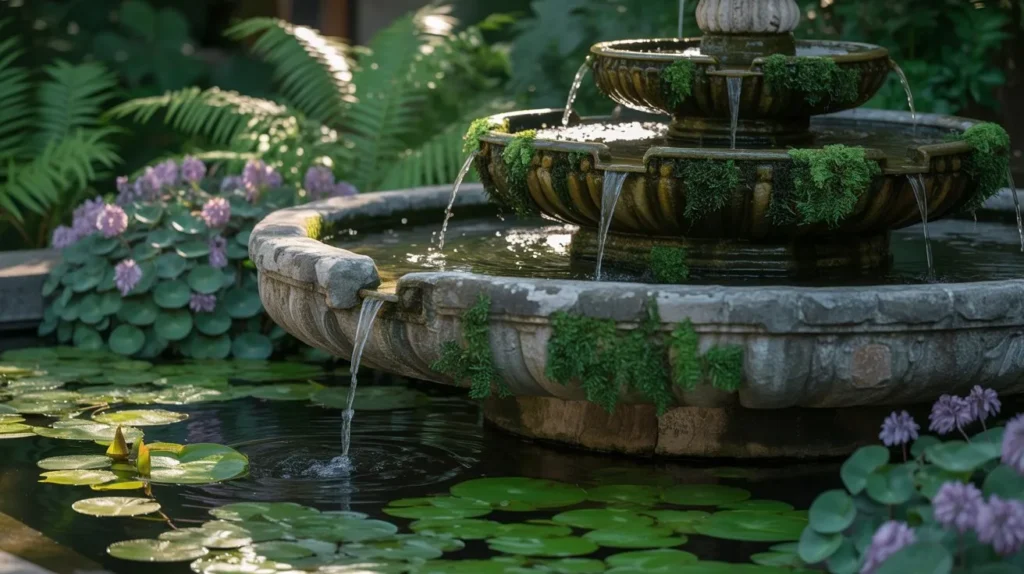
- Moving water adds a sensory layer, sound, movement, and reflection, which still gardens lack entirely
- A stone fountain introduces a natural focal point that draws the eye from anywhere in the garden
- The sound of trickling water actively reduces background noise from streets and neighbours
- Attracts birds and wildlife, adding life and gentle movement to the garden throughout the day
- Even a compact tabletop fountain in a hidden corner creates a surprisingly powerful garden atmosphere
Water has a way of making everything around it feel more alive, and a trickling stone fountain is one of the most effective ways to bring that quality into a garden setting. Unlike large, formal water features, a modest stacked-stone fountain feels entirely natural and unforced, as though it emerged organically from the landscape. The gentle trickle of water over mossy stone creates a soft, continuous sound that is deeply calming, it naturally quiets the mind and masks surrounding noise in a way that is almost instant in its effect. I’ve noticed that gardens with even a small water element feel significantly more peaceful than those without.
Positioning matters enormously with a fountain. Tuck it into a shaded fern corner, at the end of a moss path, or partially concealed behind tall grasses for maximum hidden-garden impact. The discovery element, hearing the water before you see it, heightens the sensory experience and creates that magical sense of surprise that defines truly enchanting outdoor designs. Pair the fountain with lily pads in the collecting basin below and trailing ground cover plants around the stone base, and the entire feature looks like it grew there naturally over many quiet years rather than being installed over a single weekend.
Twisted Tree Archway

- Pleached or naturally trained trees create living architecture that no built structure can replicate
- The interlocking branch canopy effect builds gradually and becomes more spectacular each year
- Works with hornbeam, beech, crab apple, or any tree with flexible, trainable young branches
- Creates a sense of walking through a living tunnel, one of the most magical garden experiences possible
- Doubles as a windbreak and natural privacy screen while also being a stunning visual feature
Some garden features take time to reach their full potential, and a twisted tree archway is one of the most rewarding of all. By training two young trees to grow toward each other across a path, gradually encouraging their upper branches to meet and interlock overhead, you create a piece of living architecture that no pergola or gate can replicate. The process requires patience, typically three to five years before the canopy effect becomes truly dramatic, but the result is a garden feature of breathtaking, almost otherworldly beauty that grows more spectacular with every single season.
The key is starting with young, pliable trees and gently training the upper growth toward the centre using soft ties and a simple frame. Hornbeam and beech are particularly well-suited to this technique, as their branches respond well to training and their foliage is dense enough to create a proper canopy effect once the branches meet overhead. I’ve seen this approach transform even modest suburban gardens into spaces that feel genuinely ancient and enchanted. For something that begins as two simple saplings, the eventual impact, that sense of walking through a living, breathing green tunnel, is nothing short of extraordinary and deeply memorable.
Moss and Stone Garden Bed
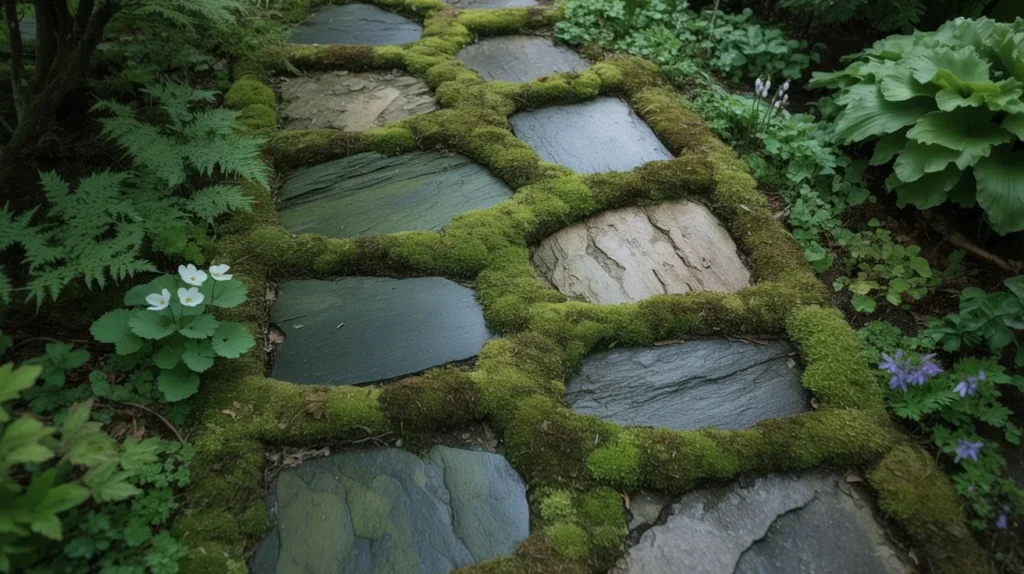
- Moss-filled stone beds create a naturally textured groundcover that looks centuries old from day one
- No soil or mulch needed, moss thrives between stones in shaded, damp garden conditions
- Pairs perfectly with ferns, hostas, and other low-growing shade plants for a layered woodland look
- Suppresses weeds naturally once established, reducing long-term garden maintenance significantly
- Creates a beautiful transition between path edges and planting beds in any garden layout
A moss and stone garden bed is one of those ideas that looks incredibly complex but is actually one of the simplest garden features you can create. The process involves nothing more than laying irregular flat stones in a naturalistic, slightly uneven arrangement and allowing moss to establish in the gaps between them. In a shaded garden, this happens almost without any effort; moss finds its own way into cool, damp spaces and spreads steadily and quietly. Within a full growing season, the entire bed takes on an ancient, settled quality that makes it look as though it has been part of the garden for generations.
If you love adding personal touches, you’ll also enjoy these chic bedroom ideas designed for stylish, comfortable living.
The visual appeal of this bed type lies entirely in its texture. Unlike colourful flower borders that change dramatically through the seasons, a moss and stone bed remains consistently beautiful, quietly green, cool in tone, and deeply calming to look at. That’s why many garden designers recommend this approach for shaded corners that other planting schemes struggle with. Surround the stones with a few carefully chosen ferns or hostas, and the result is a planting bed that looks intentional, layered, and completely natural all at once, one of the most quietly beautiful features any dreamy, secluded garden can include.
Trailing Wisteria Pergola
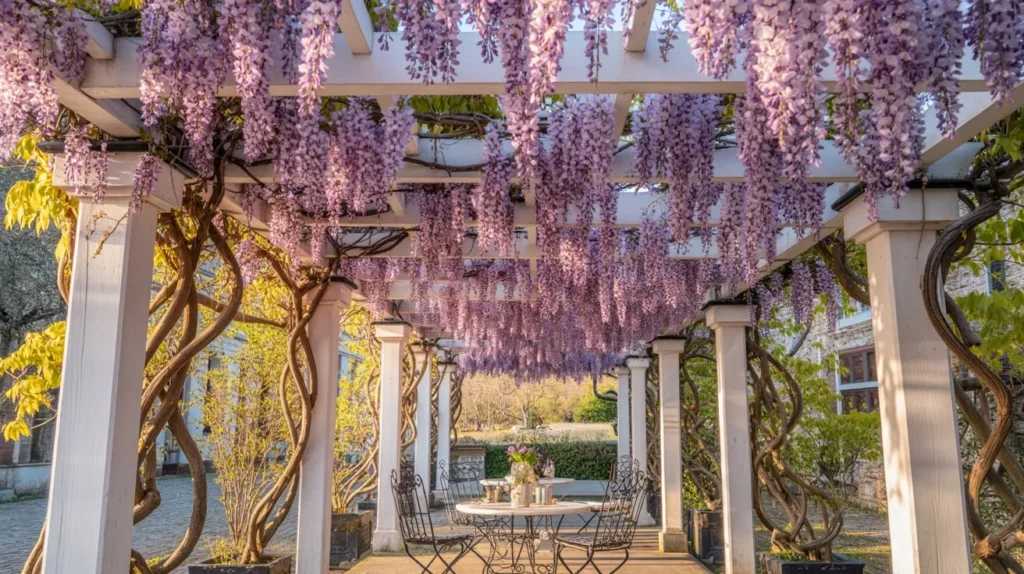
- Wisteria creates one of the most dramatic and recognisable overhead floral displays in garden design
- The cascading purple bloom clusters are highly photogenic and perform beautifully in every season
- Provides generous natural shade during peak summer months beneath the pergola structure
- The fragrance of wisteria in full bloom is intense, sweet, and entirely unforgettable
- Once established, wisteria is an incredibly vigorous grower that fills a structure quickly and fully
Few flowering plants create the kind of visual impact that wisteria does when it reaches full bloom, and when trained over a pergola, the effect becomes something genuinely breathtaking. The long, pendulous flower clusters hang down in cascading waves of purple, lilac, and occasionally white, creating a floral ceiling that seems almost unreal in its abundance and beauty. Sitting beneath a wisteria pergola in late spring, surrounded by that distinctive sweet fragrance and soft filtered light, feels like one of those rare garden experiences that stays in your memory for years. It is the kind of space that makes people stop walking and simply stand still.
Wisteria does require a little patience in its early years; most plants take two to three seasons before they begin to flower reliably and abundantly. However, once established, they reward that wait with one of the most spectacular annual displays any garden plant can produce. Annual pruning twice per year keeps the growth controlled and actually encourages heavier blooming. I’ve noticed that gardeners who prune correctly are always rewarded with a denser, more floriferous display the following spring. Choose a sturdy pergola structure, as mature wisteria is surprisingly heavy, and position it where it will receive full sun for the best and most reliable flowering results.
Hidden Woodland Clearing

- A clearing within dense planting creates a powerful contrast, openness surrounded by enclosure
- The circular stone seating arrangement at the centre gives the space purpose and natural symmetry
- Dappled woodland light hitting an open grassy area creates one of the most beautiful natural lighting effects
- Works in larger gardens with established trees, or can be built gradually using fast-growing screening plants
- Creates a destination point within the garden, somewhere to walk toward and discover
The idea behind a hidden woodland clearing is one of the oldest and most instinctively appealing in garden design, the feeling of pushing through dense growth and stepping into an open, light-filled space beyond. That contrast between enclosure and openness triggers a genuine emotional response. The shoulders drop. The breathing slows. The world outside the garden completely disappears. Even in a relatively modest outdoor space, planting dense screening trees or tall shrubs around a small central open area can recreate this feeling with surprising effectiveness and without needing an actual woodland to begin with.
What makes a clearing feel truly special is the quality of light it captures. When sunlight breaks through surrounding tree canopies and falls onto an open patch of soft grass or low ground planting, the effect is naturally dramatic, pools of warmth moving slowly across the ground as the sun travels overhead. Position a simple circular stone seating arrangement at the centre, and the space immediately feels both intentional and ancient. That’s why many landscape designers consider a clearing the most emotionally resonant feature in any naturalistic garden; it requires no decoration, no colour, and no expense to create a feeling of pure, unhurried magic.
Cottage Garden Border
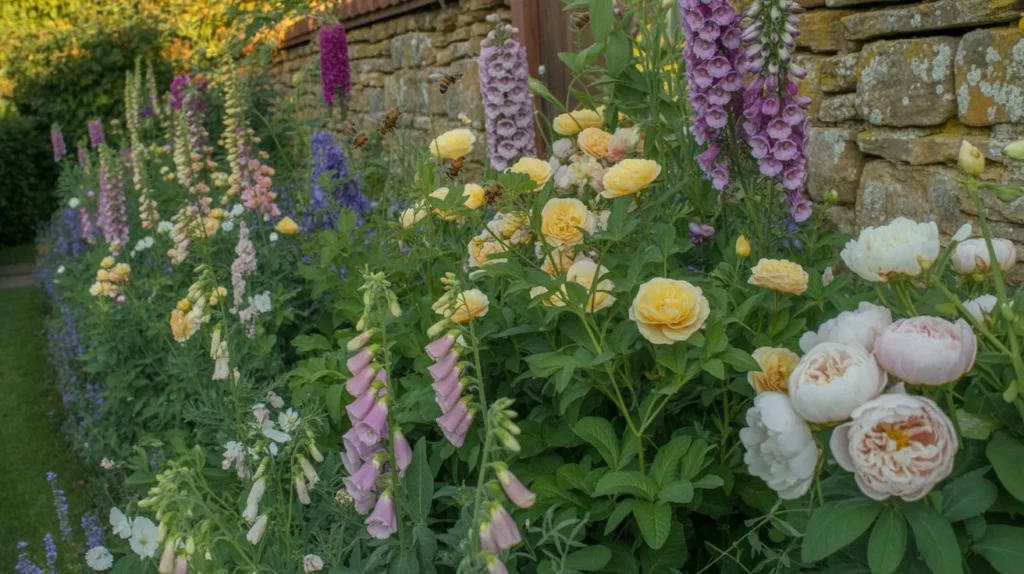
- A densely planted cottage border creates an explosion of colour, texture, and fragrance in one unified space
- The intentionally informal, overflowing style looks lush and abundant rather than wild or unmanaged
- Layering tall plants at the back, mid-height in the centre, and low-growing at the front creates natural visual depth
- Cottage borders include something blooming in every season, with careful plant selection and planning
- Works beautifully against a stone wall, wooden fence, or dense hedge backdrop for added framing
A well-planted cottage garden border is one of the most generous-looking features in all of garden design; it overflows, it cascades, it buzzes, and it perfumes the air in a way that makes the entire garden feel richer and more alive. The beauty of the cottage style is that imperfection is part of the charm. Plants lean slightly into each other, petals drop softly onto the path edge, and self-seeding flowers appear in unexpected places each year, creating a living, evolving display that no two seasons ever replicate exactly. This spontaneous quality is precisely what makes cottage borders feel so warm, so human, and so genuinely welcoming to every visitor.
Achieving this look is far more accessible than most people imagine. Begin with a reliable structural backbone, foxgloves, delphiniums, and climbing roses for height, then fill in with mid-level peonies, geraniums, and lavender. Finish the front edge with low-growing thyme, alchemilla, or sweet alyssum that softly tumbles over the path border. In my experience, the biggest mistake new gardeners make with cottage borders is leaving too much space between plants. Pack them in generously. The overlapping, jostling abundance is not a problem to be corrected; it is the entire point, and the result is one of the most naturally magical hidden garden designs any home can proudly display.
Candle-Lit Stone Terrace
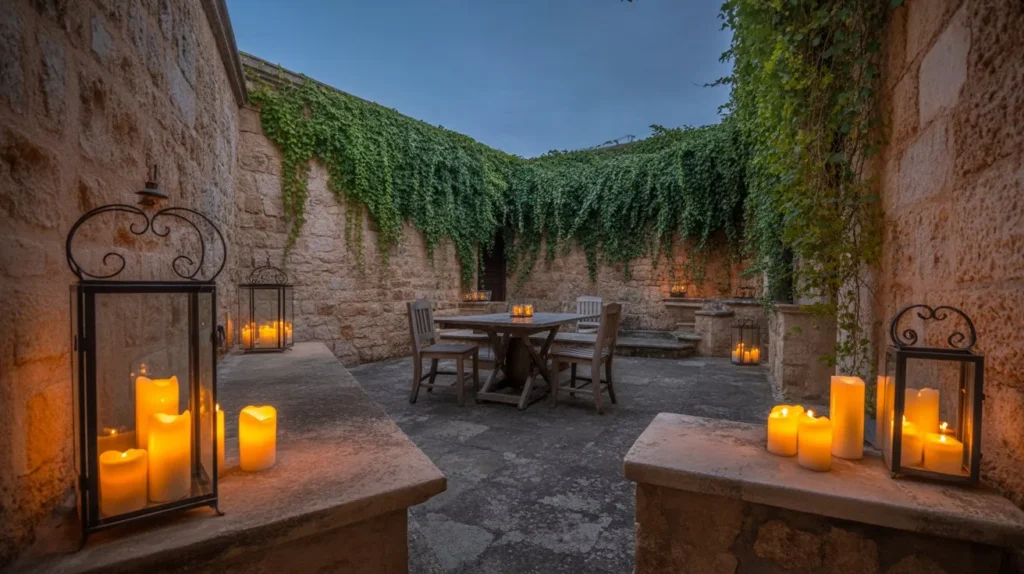
- Candlelight creates an atmosphere no electric lighting can fully replicate, warm, flickering, and deeply human
- A stone terrace becomes a completely different space by evening when lit entirely with candles and lanterns
- Grouping candles in varying heights creates a layered, dramatic visual display with no design skill required
- Pillar candles on flat stones or within lanterns are wind-resistant and practical for outdoor evening use
- This simple, low-cost transformation works for any stone or paved terrace, regardless of size
There is a particular quality to candlelight outdoors at dusk that is almost impossible to improve upon. The warm, amber flicker against stone and shadow creates an atmosphere that is intimate and cinematic all at once. A stone garden terrace lit entirely with pillar candles and lanterns becomes a completely different space after dark. The same terrace you used for lunch becomes somewhere that feels almost ceremonial by evening, quieter, warmer, more intentional. I’ve tried many different outdoor lighting approaches over the years, and nothing consistently creates the same depth of atmosphere as simple, well-placed candles on a stone surface.
The arrangement is everything here. Avoid placing candles in one uniform line; instead, cluster them at different heights across flat stones, low walls, and within lanterns of varying sizes. This creates a layered, glowing landscape of light that the eye finds genuinely pleasurable to rest on. Add a few glass hurricane holders for flame protection on breezy evenings, and the display becomes both practical and beautiful. Trailing ivy on surrounding stone walls catches the warm light beautifully, adding texture and shadow play that amplifies the entire mood. For an outdoor space that is used and loved across all four seasons, this evening transformation is one of the simplest and most rewarding investments you can make.
Raised Herb Sanctuary
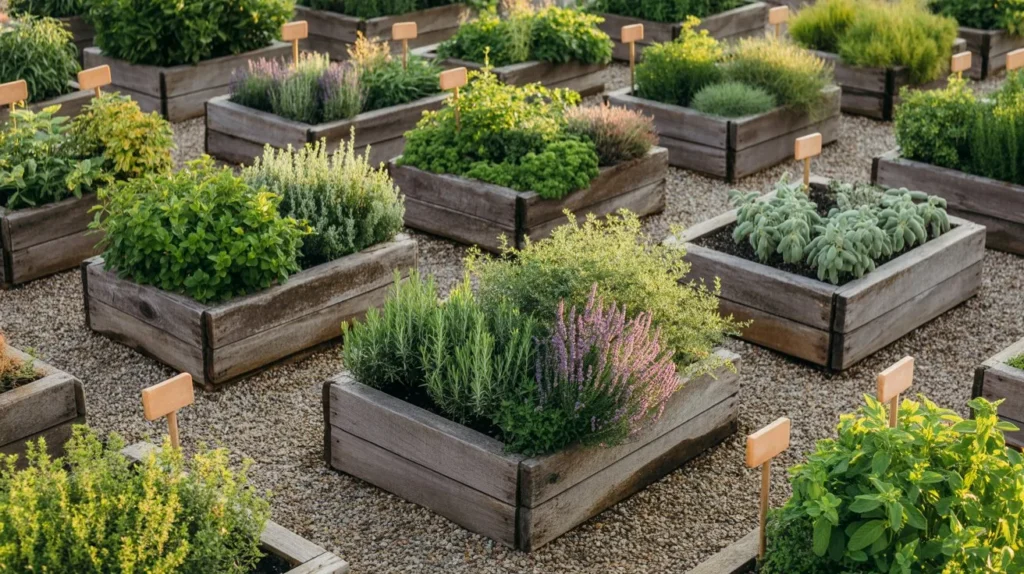
- Raised herb beds bring both beauty and practicality to any garden. They look stunning and feed the kitchen
- The geometric arrangement of multiple wooden sleeper beds creates instant visual structure and order
- Growing herbs at raised height makes harvesting easier and keeps the planting more manageable and accessible
- Fragrant herbs like lavender, rosemary, and thyme release scent when brushed, adding a sensory garden dimension
- Gravel pathways between beds keep the space tidy, well-drained, and visually clean throughout the year
A raised herb sanctuary does something very few garden features manage: it is simultaneously beautiful, purposeful, and deeply sensory all at once. The sight of abundant rosemary, lavender, and sage spilling gently over the edges of weathered wooden sleeper beds is genuinely lovely. Add to that the fragrance released every time you brush past the plants or harvest a sprig for the kitchen, and the space becomes one of the most multi-dimensional areas in your entire garden. That combination of visual beauty, aroma, and everyday usefulness makes a herb sanctuary feel deeply satisfying in a way that purely ornamental planting sometimes does not.
Building raised sleeper beds is one of the most beginner-friendly garden projects available, requiring only basic tools and materials readily found at any garden centre or timber yard. Stack two or three layers of railway sleepers into a rectangle, fill with quality topsoil mixed with horticultural grit for excellent drainage, and plant generously. Herbs respond enormously well to raised bed conditions; the improved drainage, warmth, and accessibility encourage vigorous, healthy growth. That’s why many kitchen garden designers consistently recommend raised herb beds as the single best starting point for anyone looking to combine productive growing with genuine, lasting garden beauty.
Wild Climbing Plant Wall
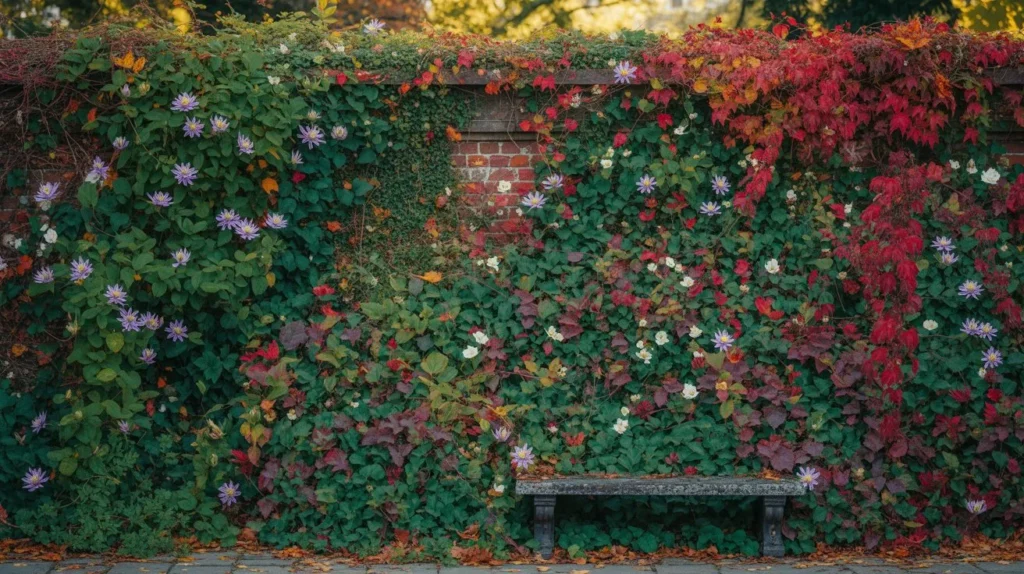
- Mixing multiple climbing plant species creates a richer, more textured and visually complex wall display
- Virginia creeper adds spectacular deep red and crimson autumnal colour that transforms the wall in October
- Passionflower introduces exotic-looking blooms that create genuine surprise and visual delight
- Climbing plant walls naturally attract birds and insects, adding movement and life to a static structure
- A mix of evergreen and deciduous climbers ensures the wall looks full and interesting across all four seasons
A wall planted with a thoughtful mix of climbing species becomes something far more alive and interesting than a wall covered with just a single variety. The layering of different leaf shapes, textures, colours, and bloom times creates a constantly evolving display that changes month by month throughout the entire year. In spring, clematis blooms bring colour and delicacy. By summer, passionflower opens its extraordinary, exotic-looking petals. Come autumn, Virginia creeper ignites the entire wall in deep crimson and scarlet, one of the most dramatic seasonal garden moments it is possible to witness in any outdoor setting.
The key to making a mixed climbing wall work beautifully is choosing species with complementary growth habits and varying seasonal interest, so the wall is never bare or uninspiring at any time of year. Ensure your wall or fence has appropriate support, horizontal wires or a trellis panel, before planting, as climbing plants grip and spread most effectively when they have something to anchor to beyond the flat surface. In my experience, walls planted with three or more complementary climbing species consistently outperform single-species walls in both visual richness and year-round interest, making the same structure feel like an entirely different and endlessly rewarding garden feature each season.
Secret Garden Pond
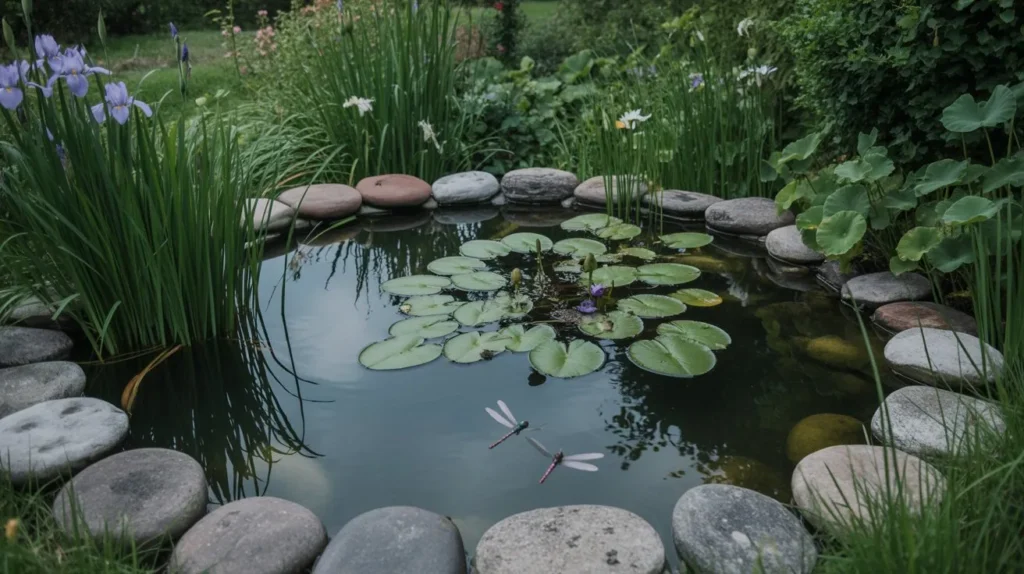
- A garden pond creates a living ecosystem that attracts frogs, dragonflies, birds, and beneficial insects
- The reflective water surface doubles the visual impact of the surrounding plants and sky overhead
- Irregular, natural-edged ponds look far more organic and enchanting than formal geometric designs
- Water lilies and iris provide both surface coverage and a beautiful seasonal floral display
- Even a small, shallow pond of one metre diameter creates a significant wildlife and atmosphere impact
A small garden pond might be the single most transformative feature you can add to a secluded outdoor space. Within weeks of filling, nature begins to arrive, first the insects, then the frogs, then the birds, creating a self-sustaining living system that requires very little from you in return. The still, dark surface of a pond reflects the sky overhead and the surrounding planting, effectively doubling the visual depth of the entire garden. That reflection quality is something no other garden feature can replicate, and it creates a sense of space and contemplation that is uniquely powerful in a small or enclosed garden setting.
Positioning the pond in a naturally lower area of the garden feels most authentic, as water settles into hollows instinctively in nature. Edge it with smooth river stones of varying sizes, allowing some to partially submerge and others to sit at the waterline as perches for visiting birds and dragonflies. Plant the margins generously with moisture-loving irises, rushes, and bog-loving primulas for seasonal colour. Float a few native water lily varieties across the surface and allow a section of the bank to remain slightly wild and unmanaged. That’s why many wildlife garden designers emphasise leaving natural edges; the slightly unkempt margins are where the most magical and unexpected garden life quietly chooses to make its home.
Dappled Light Garden Canopy
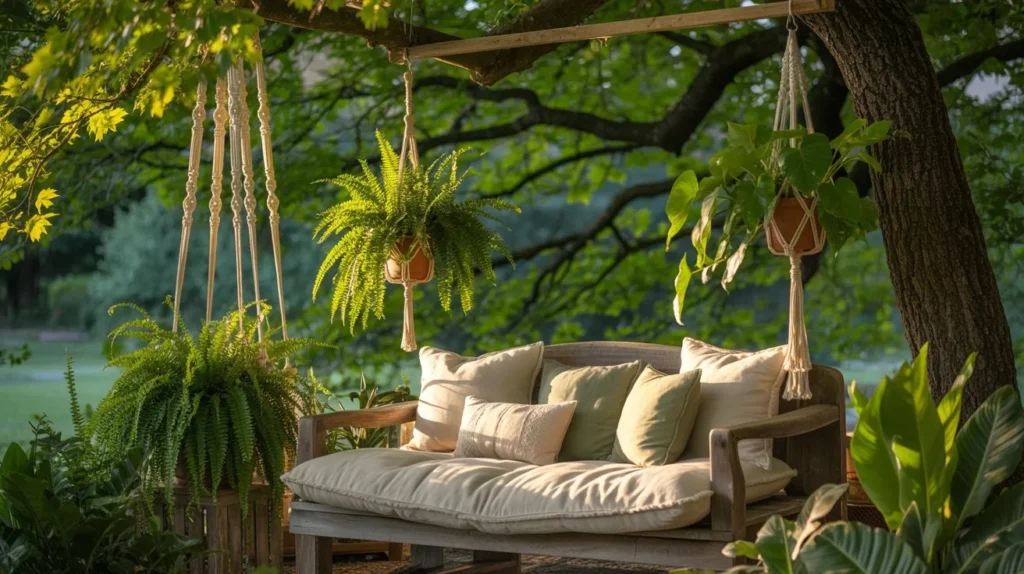
- Dappled light beneath a tree canopy creates one of the most naturally beautiful and calming outdoor atmospheres
- A simple daybed or hammock placed beneath established trees transforms the space into a genuine retreat
- Hanging elements from lower branches, lanterns, macramé, or trailing plants, adds vertical visual interest
- The shifting light patterns through leaves create a living, moving ceiling that changes throughout the day
- Works with any established large tree, no planting or construction required beyond simple furniture placement
There is a very particular quality to sitting beneath a wide tree canopy on a warm day, watching dappled light move slowly across everything around you. It is one of those natural experiences that requires no design skill, no expensive materials, and no complicated planning, just a generous tree, a comfortable place to rest, and the willingness to slow down and notice. When you position a daybed, a swing seat, or even a simple blanket beneath the right canopy, the space beneath those branches becomes the most magnetic and restorative corner of the entire garden, drawing you back to it instinctively day after day.
To elevate this idea from simply sitting under a tree into a genuinely designed outdoor sanctuary, layer the space thoughtfully. Hang a cluster of small lanterns from the lower branches at varying heights, add a macramé wall hanging on the trunk, and place a few terracotta pots with trailing ferns at the base. Use linen or cotton textiles in natural, muted tones, cream, sage, warm taupe, for cushions and throws that feel soft and appropriately understated. In my experience, this approach works especially well in gardens where the tree is already mature and established, because the canopy provides both shelter and the extraordinary dappled light quality that no built structure can authentically replicate.
Moonlit Evening Garden
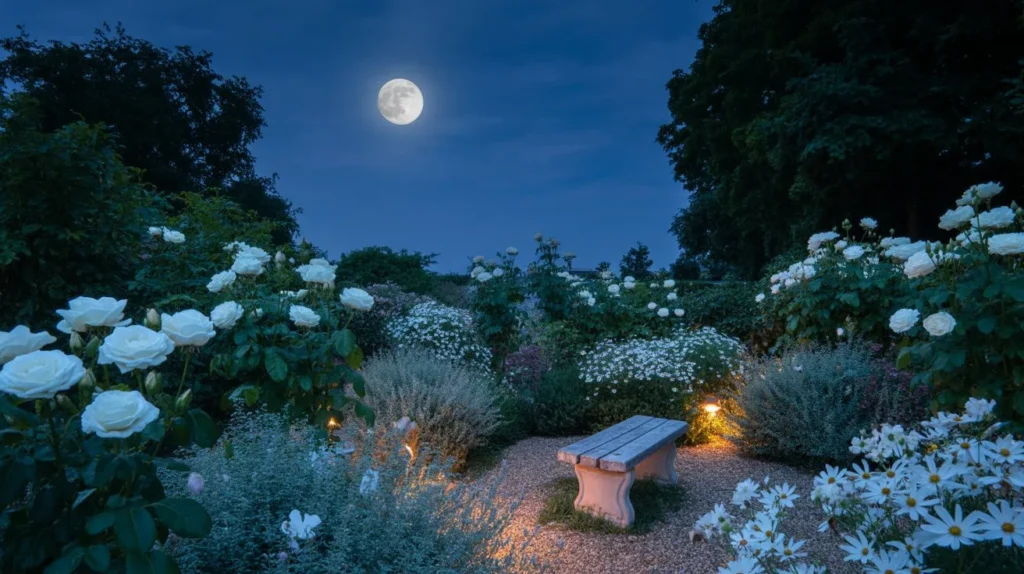
- White and silver-toned flowers reflect moonlight beautifully, creating a naturally glowing garden after dark
- A moonlit garden is designed specifically to be experienced in the evening, a unique garden concept
- Plants like white cosmos, silver artemisia, and night-blooming jasmine peak in beauty and fragrance after sunset
- Cool-toned stone features and pale gravel paths reflect available light, brightening the garden naturally at night
- Creates an entirely different garden experience from the daytime space, deeply calming, ethereal, and memorable
Designing a garden specifically for moonlight is one of the most poetic and genuinely magical ideas in all of outdoor design, yet it remains one of the least considered. The concept is elegantly simple: choose plants with white, cream, silver, or very pale flowers, and arrange them where the evening light can find them. As natural daylight fades and moonlight takes over, these plants do not disappear into shadow the way coloured flowers do. Instead, they seem to gather the available light and glow softly from within, creating an ethereal, luminous garden atmosphere that feels dreamlike and entirely unlike anything experienced during daylight hours.
Night-blooming and evening-fragrant plants are the true secret to making a moonlit garden unforgettable. Night-blooming jasmine releases its fragrance only after dark, filling the air with a sweetness that is almost overwhelming in its beauty. White nicotiana, moonflower vine, and evening primrose all open more fully and fragrantly as the sun sets, rewarding only those who step outside after dusk. Pair these with silver-leaved plants like artemisia, Stachys, and white-variegated hostas that shimmer in even the faintest available light. That’s why many garden designers consider the moonlit garden the ultimate expression of magical hidden-garden designs; it exists in a dimension most gardens never even attempt to reach, offering a breathtaking experience that belongs entirely and exclusively to the quiet, luminous hours of evening.
Conclusion:
Your garden has the potential to become the most peaceful and beautiful part of your entire home, and you now have 23 ideas to help make that happen. From mossy stone pathways to moonlit evening spaces, every idea in this collection is designed to guide you toward creating your own version of magical, hidden garden designs. I’ve seen how even the smallest outdoor changes can completely transform how a space feels and how often it is truly used. Save this article on Pinterest, share it with someone who loves their garden, and most importantly, pick one idea and start today. Your dreamy escape is closer than you think.

Welcome to Homely Crafter! I am Muhammad Israr, the founder of Homely Crafter, bringing 4+ years of hands-on interior design and renovation experience to practical, budget-friendly home decor ideas for every room. Let’s decorate together!